For more holiday inspiration scroll down

Our Italian Villas in Popular Destinations
Explore by region
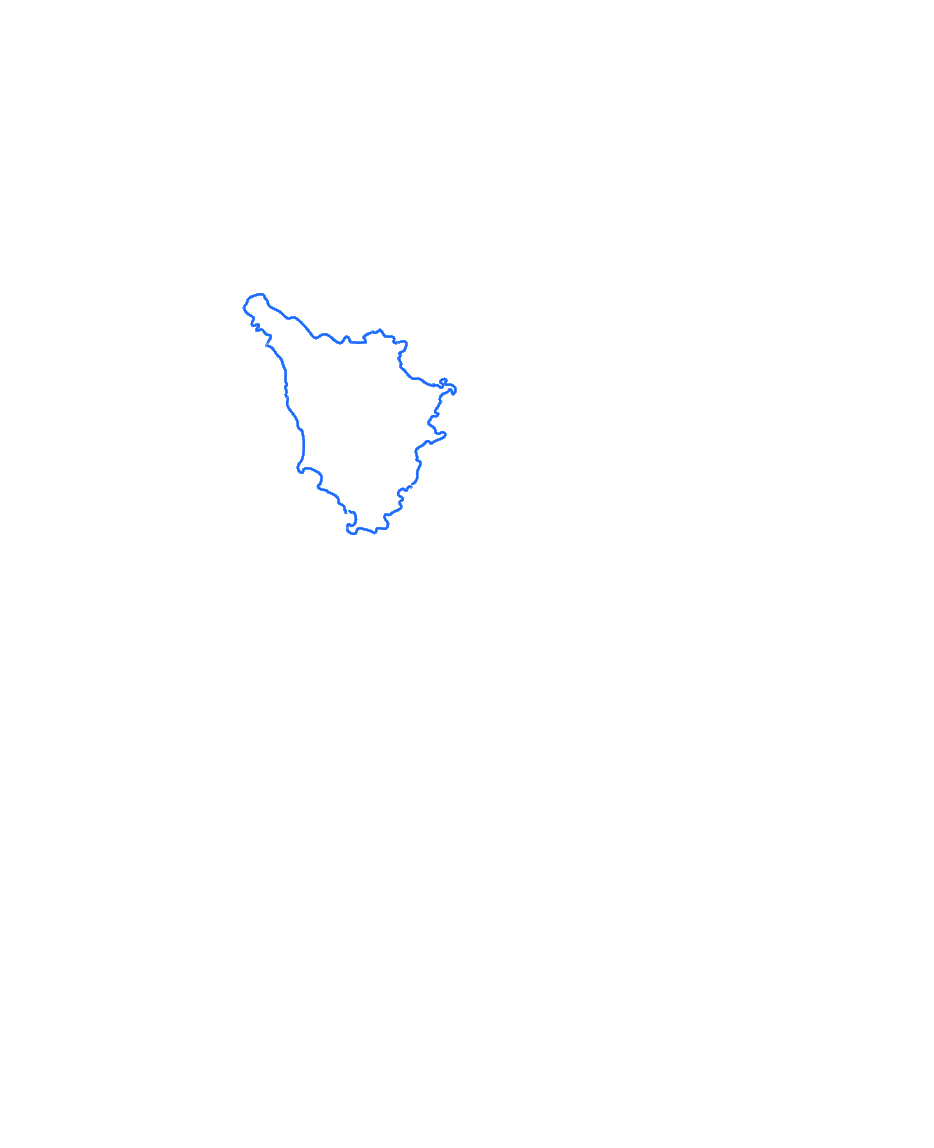
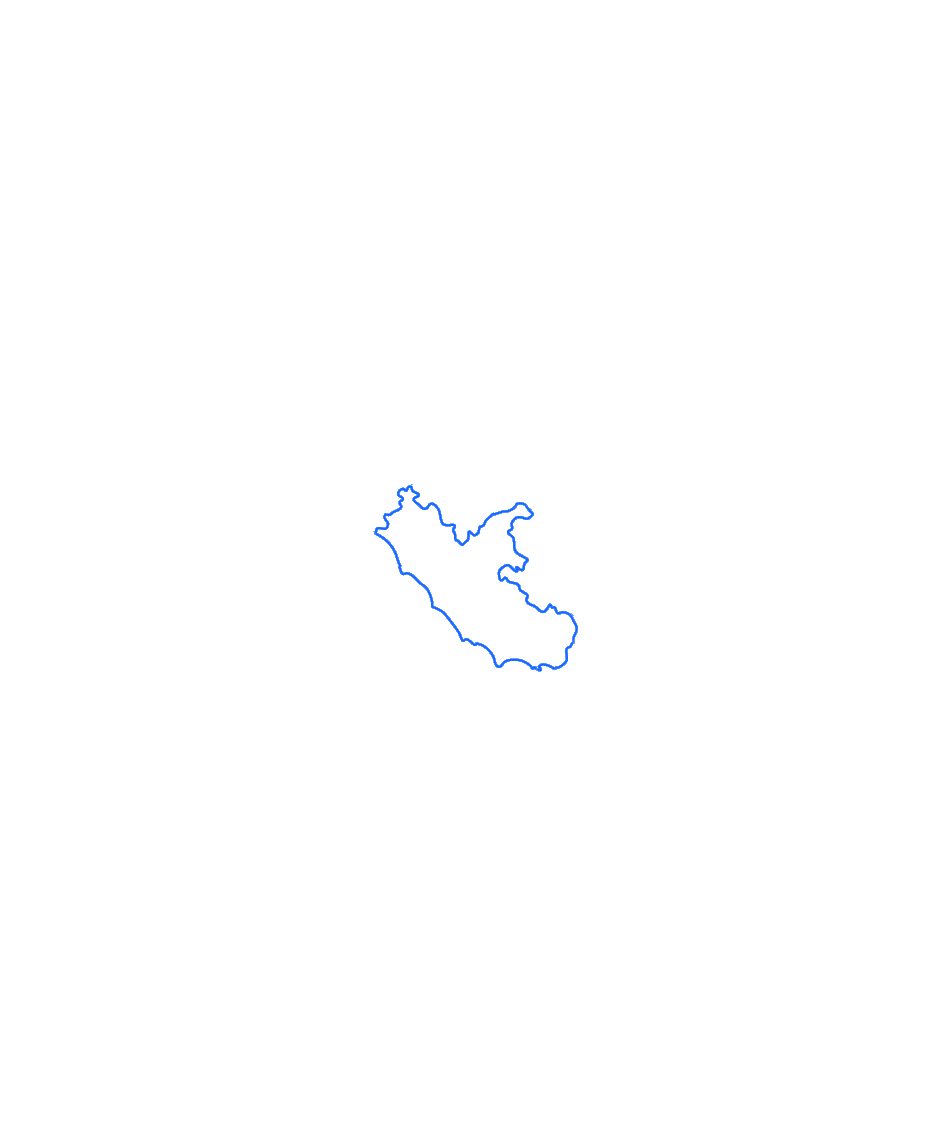
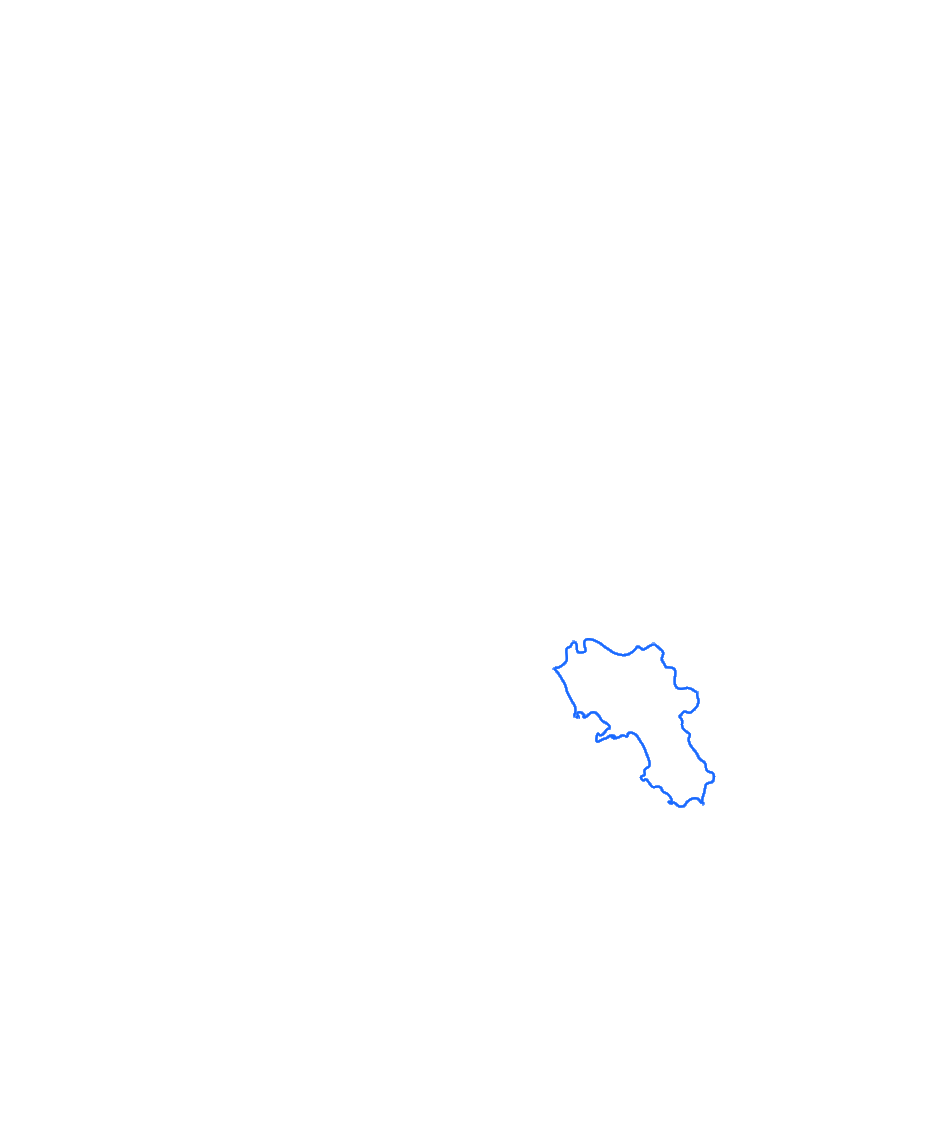
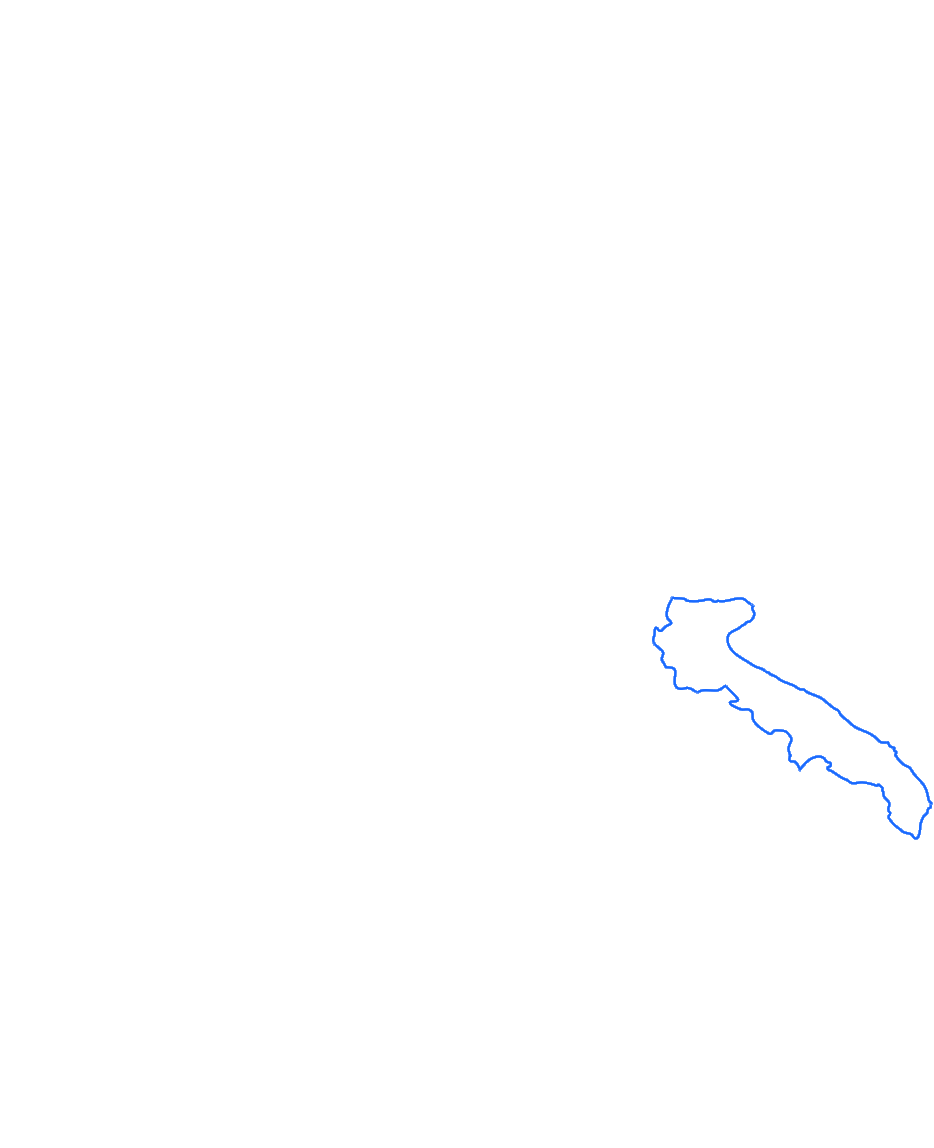
Click on a region below to explore our nearby villas.








The Luxury Collection
Our Luxury Collection villas are selected for their comfort, location and exclusivity. Relax, unwind and enjoy all Italy has to offer in these stunning locations.
Explore the luxury collection 20
20

Poggio Mori
Top Luxury villa sleeping 20 guests in 10 bedrooms and 11 bathrooms. Features include infinity pool, tennis court, 25 acres, bowls, AC, wifi, wellness centre, Gym, Turkish bath, bikes, daily breakfast service, wood oven.
- 12
Villa Maria Serena
Located in a stunning position three miles from Como, this lakeshore villa accommodates up to 12 people
- 10
Villas in Blevio
Located in a stunning position three miles from Como, this lakeshore villa accommodates up to 14 people
All too easy.
Talk to us for your bespoke Italian getaway
Talk to us today to book your one-of-a-kind trip. With our hands on planning (if you're based in Melbourne we'll even come out to see you!), and our 24/7 availability, the only thing you need to take care of is packing your bags.

We help you create unforgettable memories with our unique holiday accommodations.

Our network of professionals allows us to offer boutique services from private chefs to wine tours.

From relaxing afternoons to an active day with the kids, we can organise any activity to keep you entertained.
Unique locations for special occasions
Places to stay to make the most of your trip
Arrive at your favourite location with all the benefits
Explore all packages
Small group tours
Time to relax.
Talk to us for your bespoke Italian getaway.
Here at Italian Villa Vacations we are Italy experts, offering unique holiday accommodation as well as a full range of extra services. Whether you are planning a family celebration, a reunion or just the perfect vacation, let us help you create unforgettable memories. Our network of professionals in Italy allows us to offer boutique services from local restaurant bookings, private chefs, tour guides, cooking classes and wine tours.
Make an enquiry